Cryogenic Decommissioning Specialists

Clear the Site.
Close theChapter.

Turnkey decommissioning of LN₂, LOX, LCO₂, LAr, and LNG bulk storage systems. Engineered purge-to-removal protocols. Full regulatory compliance. Maximum asset recovery.

Zero
Incident Safety Record
48hr
Site Assessment Turnaround
100%
Regulatory Compliance Rate
LN₂→LNG
Full Cryogen Spectrum
Liquid Nitrogen Removal|Liquid Oxygen Decommissioning|LCO₂ System Purging|LNG Bulk Tank Extraction|Liquid Argon Removal|VJP Vacuum Breaking|ASME Pressure Vessel Compliance|Cryogen Asset Recovery|Liquid Nitrogen Removal|Liquid Oxygen Decommissioning|LCO₂ System Purging|LNG Bulk Tank Extraction|Liquid Argon Removal|VJP Vacuum Breaking|ASME Pressure Vessel Compliance|Cryogen Asset Recovery|
Our Services

All Cryogenic.
All the Time.

Two decades of cryogenic-only expertise — every service engineered for safe, compliant removal.

Why Choose Us

No Industry Secrets,
No Fine Print.

01 / 04

Cryogenic-Only Focus

Cryogenic tank removal is our entire operation. While most industrial contractors spread across dozens of services, we dedicate every resource to one thing — getting your decommissioning done right.

Process Transparency

You see every step before you sign anything. From product recovery through certified disposal, we walk you through the full process upfront — because high-stakes work deserves complete clarity.

ASME Data Report Preservation

Your U-1 Manufacturer's Data Report and National Board nameplate can mean the difference between $40K resale and scrap value. We protect both during extraction — no cold-cutting near identifying marks.

Small Operator Specialists

Hospitals, pharmaceutical facilities, food processors, universities — we work with operators who have one tank and need every step handled with care. Your project gets the same attention as the largest jobs.

Maximum Asset Recovery

Quality cryogenic equipment holds strong value on the secondary market — but only with paperwork intact. We preserve every document, nameplate, and certification that protects your resale return.

Zero-Incident Protocols

Cryogenic removal involves 700:1 expansion ratios, asphyxiation zones, and vacuum-jacket implosion risk. A thorough hazard review precedes every job. Continuous O₂ monitoring. HAZWOPER-certified crews.

Our Process

Step-by-Step. No Surprises.

Site Hazard Review & System Mapping

Site Hazard Review & System MappingPhase 1

On-site engineering assessment of all cryogenic storage vessels, vacuum-jacketed piping (VJP), vaporizer banks, and associated controls. We map every product stream, identify cross-contamination risks in multi-gas facilities, and document vacuum levels on all jacketed systems before any mechanical intervention.

Product Recovery & System Isolation

Product Recovery & System IsolationPhase 2

Complete residual product recovery from all vessels and distribution lines. Vaporizer isolation — allowing full boil-off and ice/frost removal before disconnection. For CO₂ systems: controlled depressurization above the triple point to prevent dry-ice plug formation and catastrophic pressure buildup.

NFPA 55CGA P-1EIGA Doc 154
Warm Inert Gas Purge

Warm Inert Gas PurgePhase 3

Continuous warm, dry nitrogen purge (≤1 ppmv H₂O / −75°C dewpoint) through the entire system — micro-bulk lines, controls, and main tanks — until all components reach ambient temperature (295–300 K). O₂ concentration maintained below 5% throughout to prevent localized oxygen condensation and flammability hazard.

OSHA 29 CFR 1910.120HAZWOPER
Vacuum Breaking & VJP Dismantling

Vacuum Breaking & VJP DismantlingPhase 4

Controlled vacuum backfill on all vacuum-jacketed piping using dry, oil-free nitrogen — never ambient air, which causes immediate condensation and ice damage to super-insulation. Sequential disconnection at weld sockets and outer couplings. Cold-cutting for all VJP severances to prevent heat-affected zone (HAZ) damage to stainless steel metallurgy.

Asset Recovery, Documentation & Removal

Asset Recovery, Documentation & RemovalPhase 5

ASME U-1 Manufacturer's Data Report preservation and National Board nameplate protection for all pressure vessels. OEM brand documentation maintained (Chart Industries, Taylor-Wharton, INOX India). Certified transport and disposal. EPA RCRA closure documentation if site closure involves hazardous material characterization.

ASME U-1EPA RCRANational Board

Ready to plan your removal?

Free site assessment — no commitment required.


Regulatory Compliance

Every Standard.
Every Project.

Cryogenic decommissioning sits at the intersection of OSHA process safety, EPA environmental remediation, DOT transport, and NFPA fire codes. We hold every required certification.

NFPA 55

NFPA 55

Compressed gas & cryogenic fluid storage safety

CGA P-1

CGA P-1

Safe handling of compressed gases in containers

OSHA 29 CFR 1910.119

OSHA 29 CFR 1910.119

Process safety management of highly hazardous chemicals

OSHA 29 CFR 1910.120

OSHA 29 CFR 1910.120

Hazardous waste operations & emergency response

EPA RCRA

EPA RCRA

Resource conservation & hazardous waste disposal rules

EIGA Doc 154

EIGA Doc 154

European cryogenic system decommissioning guideline

ASME Section VIII

ASME Section VIII

Pressure vessel design, fabrication & inspection code

DOT 49 CFR

DOT 49 CFR

Hazardous materials transport regulations

HAZWOPER

HAZWOPER

Hazardous waste operations crew certification standard

Zero-Incident
Operations Record
Every job. Every site.
No exceptions.
Industries Served

Every Sector.
One Specialist.

Ready to Start
Your Project?

48-hour site assessment turnaround. No obligation. No generalist contractors.

Field Work

Real Sites.
Real Removals.

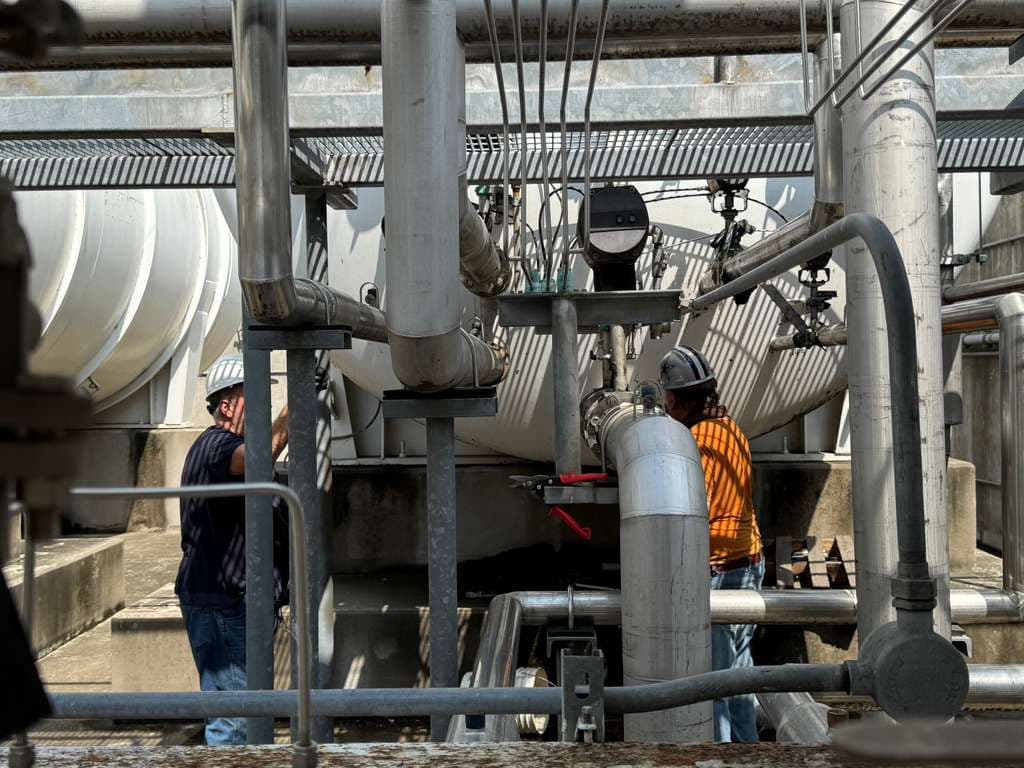
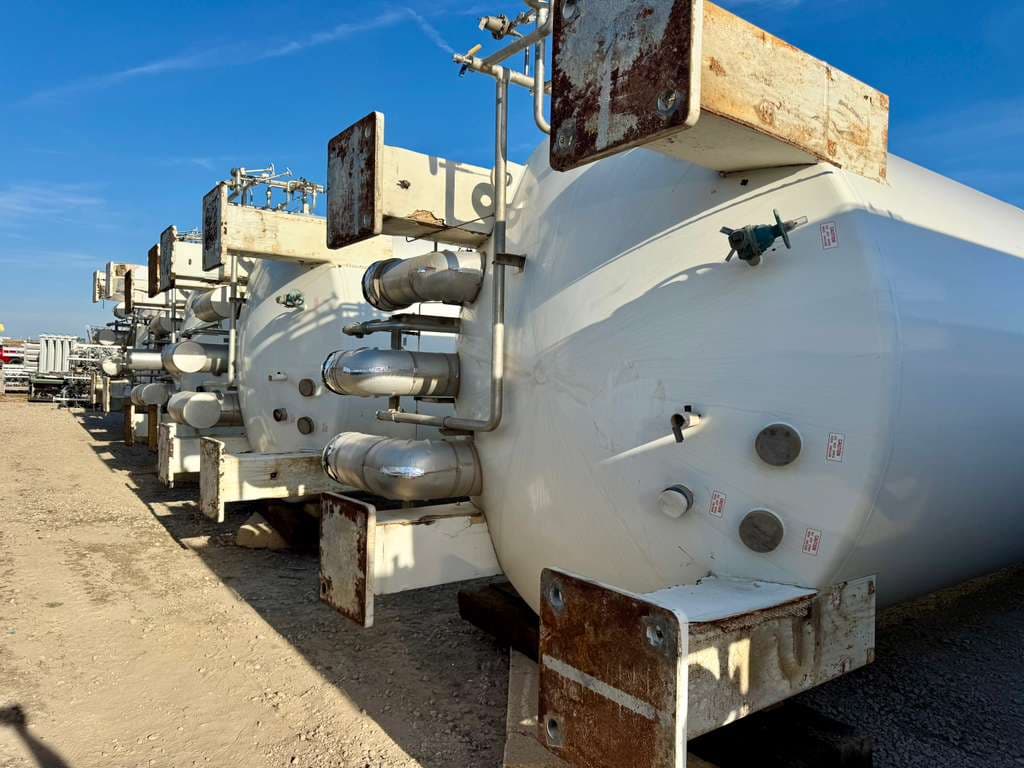
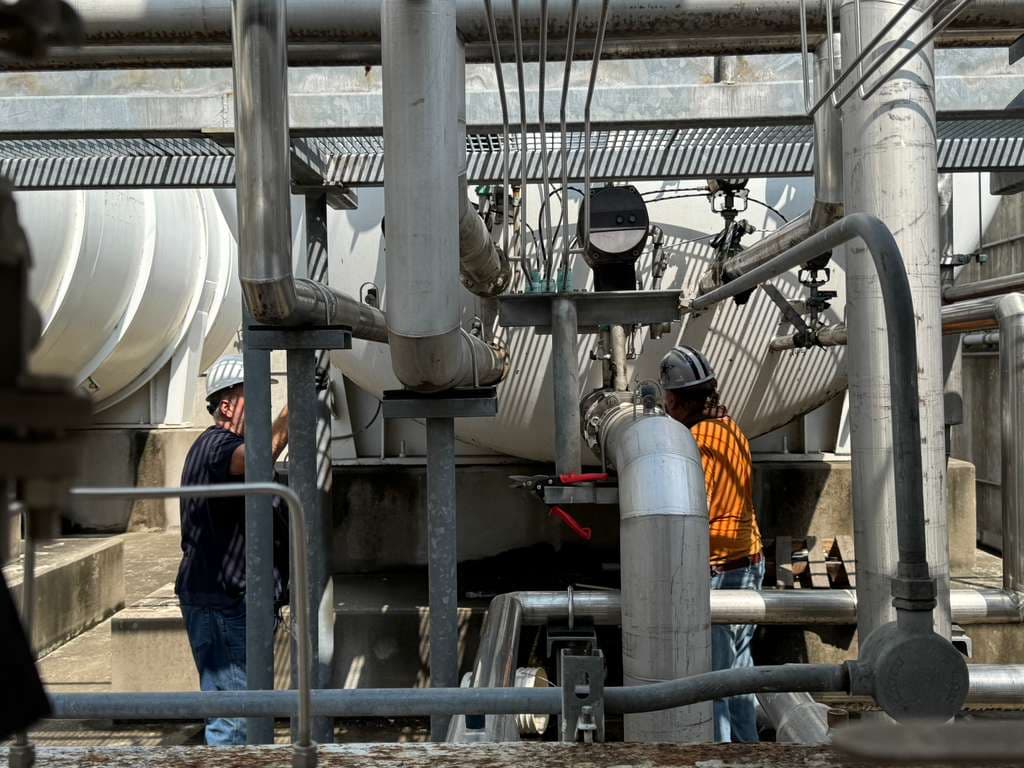
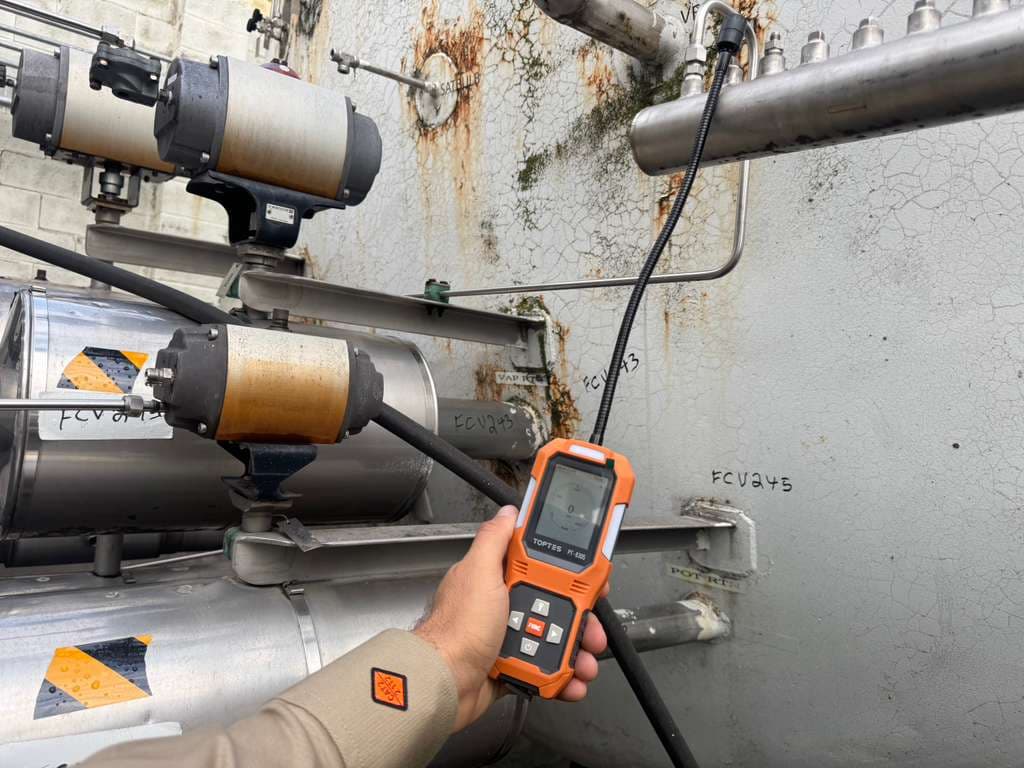
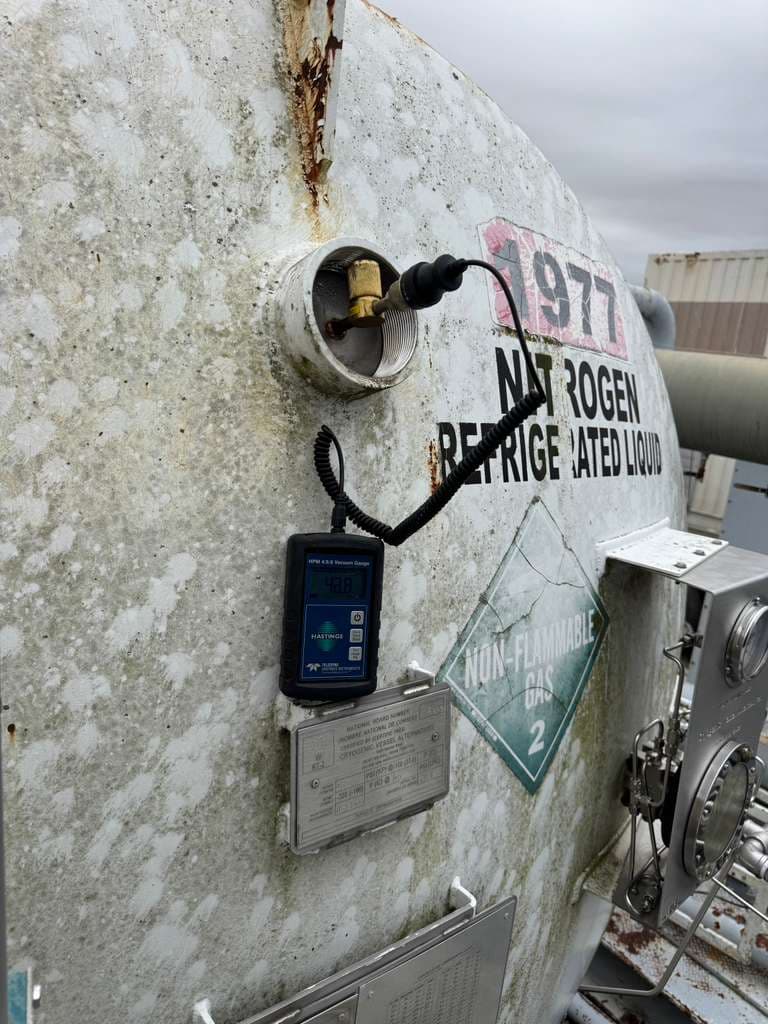
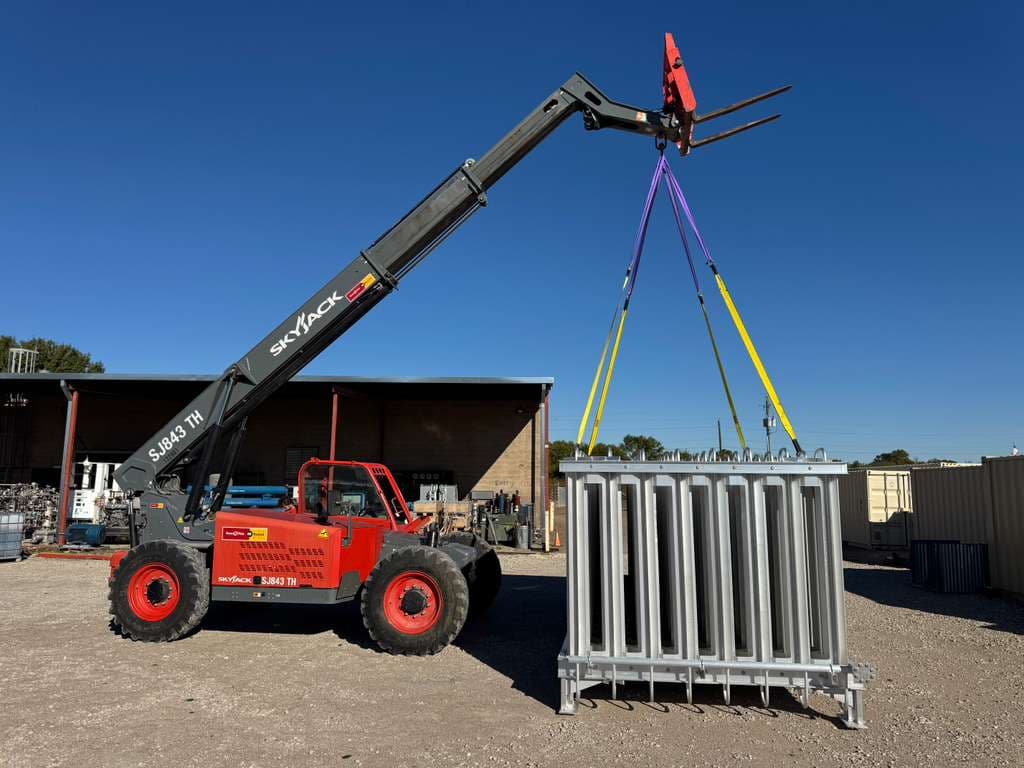
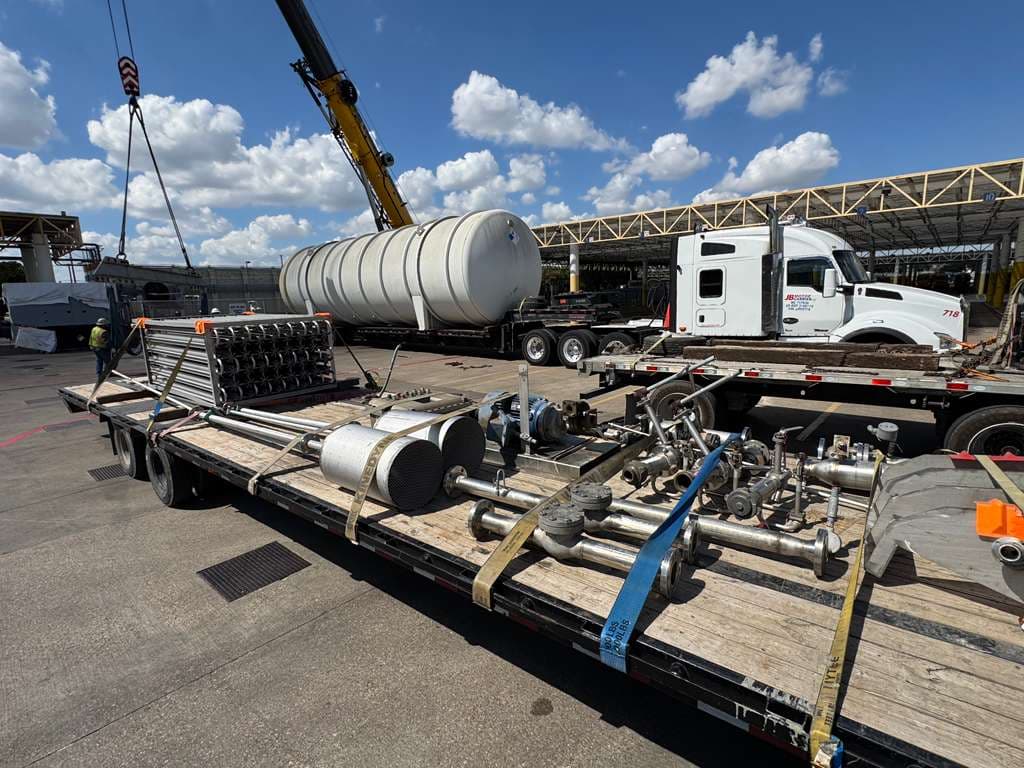
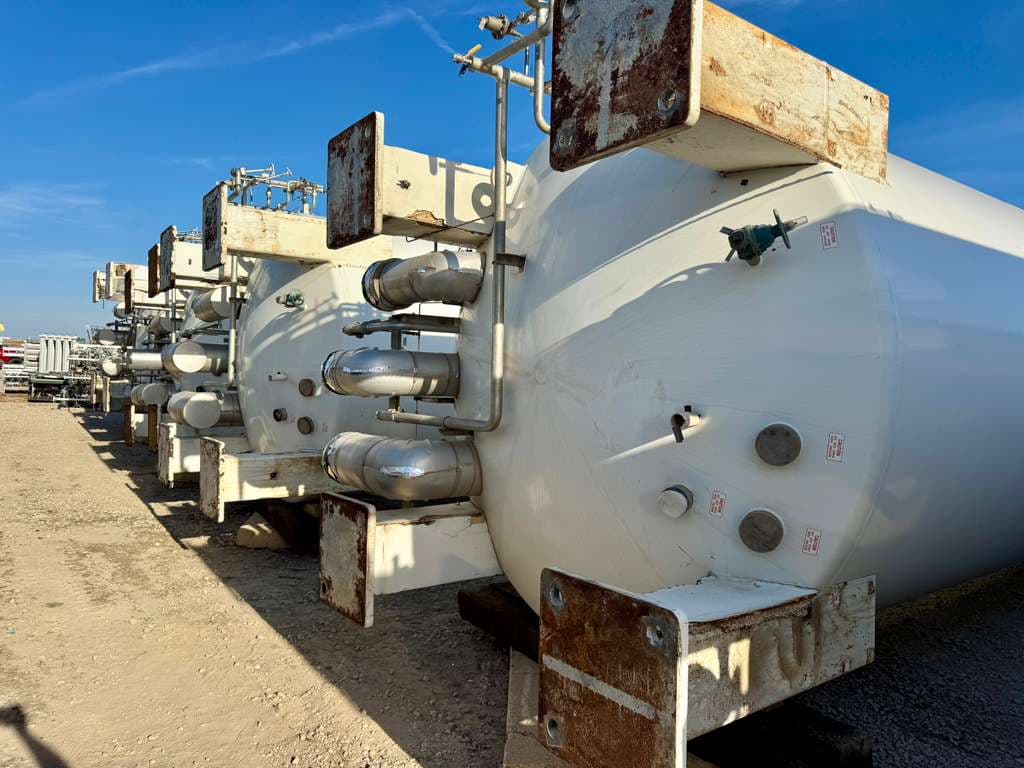
Our yard. Our crews. Our jobs. Shot on-site during active decommissioning work.