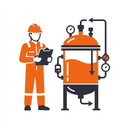
Safe extraction of vacuum-jacketed pressure vessels storing liquid nitrogen, oxygen, argon, and CO₂ — managing 1:700 volumetric expansion ratios, asphyxiation risks, and deep vacuum jacket implosion hazards.
// Key Hazards & Capabilities

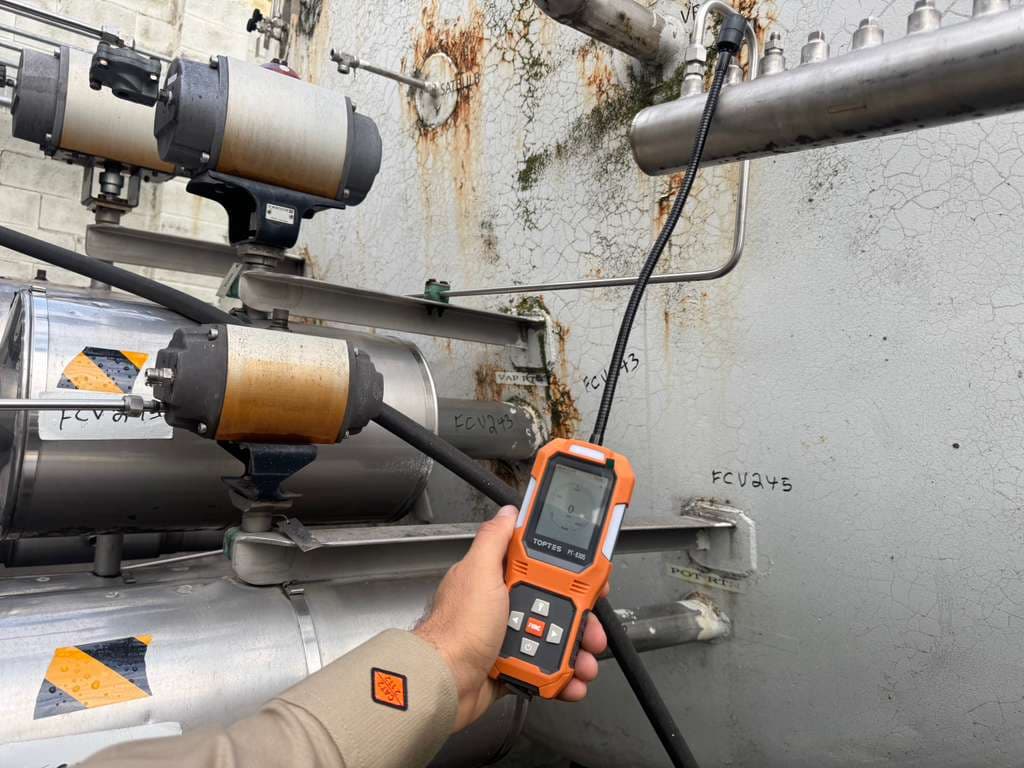
Before any mechanical dismantling, the vacuum level must be monitored using existing vacuum transducers or pump-out/relief port nozzles. Complete system mapping of all cryogenic storage vessels, piping, and associated controls.

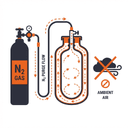
The vacuum must be broken using a strictly controlled purge of dry, oil-free inert gas — typically high-purity nitrogen. Ambient air must never be used — introducing atmospheric air causes immediate condensation and freezing of moisture, creating ice buildup that damages internal piping, compromises valves, and creates unsafe conditions. The VJP inner carrier pipe is surrounded by an outer jacket with the annular space evacuated to extreme vacuum levels (often 9 microns or less) with multi-layered super insulation.

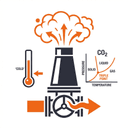
1 liter of liquid nitrogen expands to nearly 700 liters of gas at room temperature. Venting follows strict spacing and atmospheric dispersion models per EIGA Doc 154. For CO₂: uncontrolled depressurization causes auto-refrigeration, flashing liquid into solid dry ice at -78°C. Vaporizers must be used to heat the liquid, maintaining pressure above the triple point. Vent stacks must not be interconnected — incompatible gas could freeze inside a vent line, blocking emergency pressure relief paths.

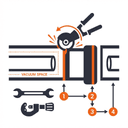
Once vacuum is neutralized and system is at atmospheric pressure, VJP sections are mechanically separated at weld sockets or outer couplings. Cold-cutting techniques prevent heat-affected zone damage to stainless steel metallurgy.

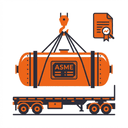
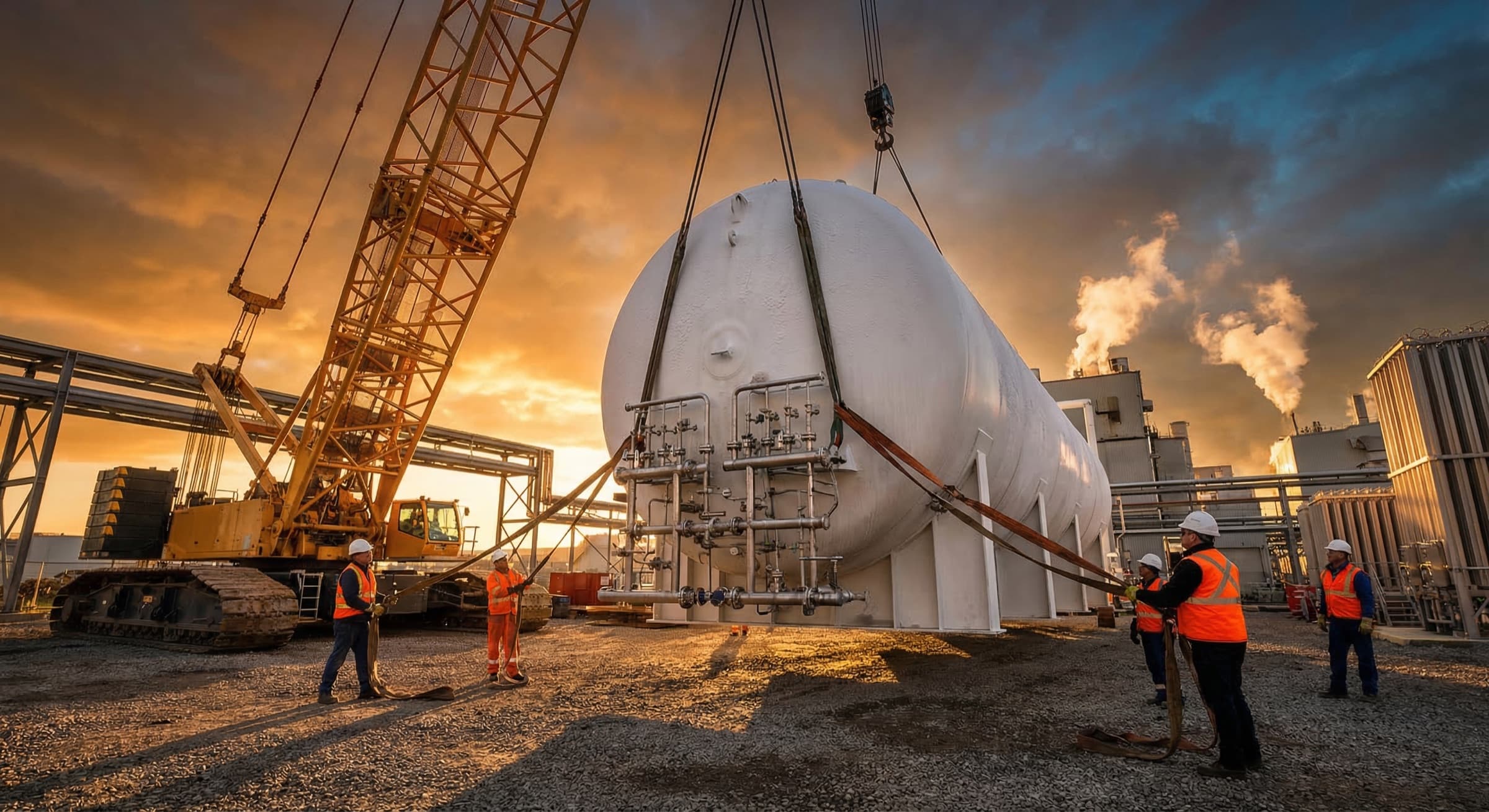
Heavy lift planning accounts for perlite insulation shifting center of gravity. ASME U-1 Manufacturer's Data Report preservation and National Board nameplate protection. Certified transport on specialized flatbed and lowboy trailers.
Standard for the Storage, Use, and Handling of Compressed Gases and Cryogenic Fluids: governs protection protocols against physiological, over-pressurization, explosive, and flammability hazards across multi-gas systems.
Compressed Gas Association's Safe Handling of Compressed Gases in Containers: dictates safe purging, handling, and isolation procedures.
Safe Location of Oxygen, Nitrogen, and Argon Gas Vents: atmospheric dispersion models for venting.
All personnel must hold appropriate Hazardous Waste Operations and Emergency Response certifications.

No competitor leads with cryogenic decommissioning as their primary identity. TransTech/MIG/CTR bury it in service lists; Matrix Service wraps it in "lifecycle support" language.
No competitor shows a step-by-step decommissioning process. This reduces the high anxiety facility managers experience with these projects.
Strategic recovery of ASME U-1 documented vessels, preservation of National Board nameplates, and secondary market placement of OEM equipment from Chart Industries, Taylor-Wharton, and INOX India.
Hospitals, food processing, pharmaceutical, university labs — segments completely uncontested by TransTech/Matrix-scale competitors.
HAZOP studies, daily JSAs, universal Stop Work Authority. CHMM/CSP-certified leadership on every project.
Get a no-obligation site assessment. We handle vacuum breaking, permitting, heavy transport, and site closeout — turnkey.