System Decommissioning Specialists

Cryogenic System Decommissioning

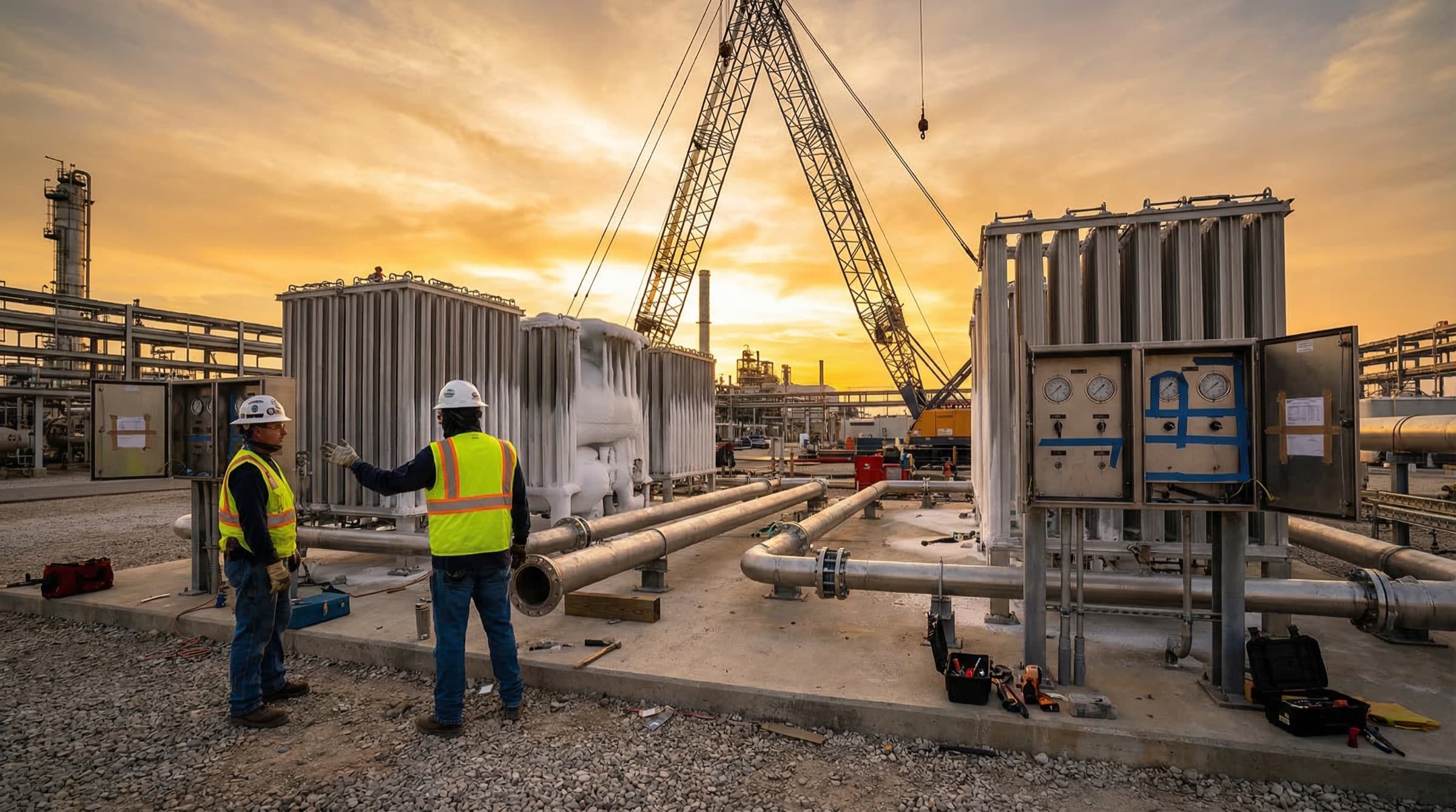
Complete shutdown and dismantling of cryogenic infrastructure — vaporizers, vacuum-jacketed piping, micro-bulk lines, and control systems. Managing vacuum-jacket implosion, O₂-enriched atmospheres, and flash vaporization hazards.

// Key Hazards & Capabilities

  • Core hazards: vacuum-jacket implosion on pipe severance, O₂-enriched atmosphere, flash vaporization in heat exchanger cores
  • Specialized equipment: inert gas purge systems, vacuum-insulated pipe shears, continuous O₂ deficiency and enrichment monitors
Our Process

Step-by-Step. No Surprises.

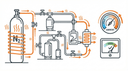
Vaporizer Isolation

Vaporizer IsolationStep 1

Primary supply valves from cryogenic storage tank must be closed; system must completely boil off residual liquids. Hazard reviews must account for scenarios where cryogenic fluid could unexpectedly exit through warm-end process piping during shutdown. Ambient air vaporizers collect significant frost and ice during operation. Units must be completely defrosted and ice removed before mechanical disconnection.

Safe Vacuum Breaking on Jacketed Piping

Safe Vacuum Breaking on Jacketed PipingStep 2

Vacuum levels checked using existing vacuum transducers or pump-out/relief port nozzles before any mechanical intervention. Ambient air must never be introduced — atmospheric moisture immediately condenses and freezes against the internal cryogenic pipe, damaging super-insulation and internal supports. Vacuum broken by introducing strictly controlled flow of dry, oil-free inert gas (high-purity nitrogen), injected slowly until annular space reaches atmospheric equilibrium.

Warm Inert Gas Purging

Warm Inert Gas PurgingStep 3

Continuous flow of warm, dry nitrogen gas accelerates warming of cryogenic components (cryopumps, micro-bulk tanks) to ambient temperatures (295–300 K). Nitrogen purge gas must be completely oil-free and moisture-free: less than 1 ppmv H₂O (equivalent to a −75°C dewpoint). Maximum oxygen concentration must remain below 5% to prevent localized oxygen condensation on cold equipment, which creates a severe flammability hazard.

OSHA 29 CFR 1910.120HAZWOPER
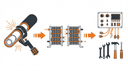
Component Separation & Dismantling

Component Separation & DismantlingStep 4

Sequential mechanical disconnection of vaporizers, piping runs, control panels, and tank connections. Cold-cutting techniques employed for all VJP severances to prevent heat-affected zone damage.

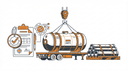
Equipment Salvage & Asset Recovery

Equipment Salvage & Asset RecoveryStep 5

ASME U-1 Manufacturer's Data Report preservation — most critical factor in retaining resale value. Physical, legible National Board nameplate protection. Equipment from Chart Industries, Taylor-Wharton, and INOX India carries secondary market premium. Clamshell cutters or diamond wire saws prevent Heat-Affected Zone (HAZ) that could alter metallurgical properties.

ASME U-1EPA RCRANational Board
Safety & Compliance

Regulatory Standards

NFPA 55

Dictates safety protocols for storage and handling of cryogenic fluids.

CGA P-1

Mandatory guidelines for safe handling and purging of cryogenic systems.

OSHA HAZWOPER (29 CFR 1910.120)

Personnel dismantling systems and managing potential environmental hazards must hold appropriate Hazardous Waste Operations and Emergency Response certifications.

EPA RCRA

If site closure involves disposal of hazardous materials or decommissioning of associated treatment units, process must follow Resource Conservation and Recovery Act guidelines, often requiring formal closure plan and site decontamination verification.

Hazard Mitigations

  • Flash vaporization management in heat exchanger cores
  • Vacuum-jacket implosion prevention during pipe severance
  • O₂ enrichment monitoring (alarm above 23.5%)
  • O₂ deficiency monitoring (alarm below 19.5%)
View full compliance details
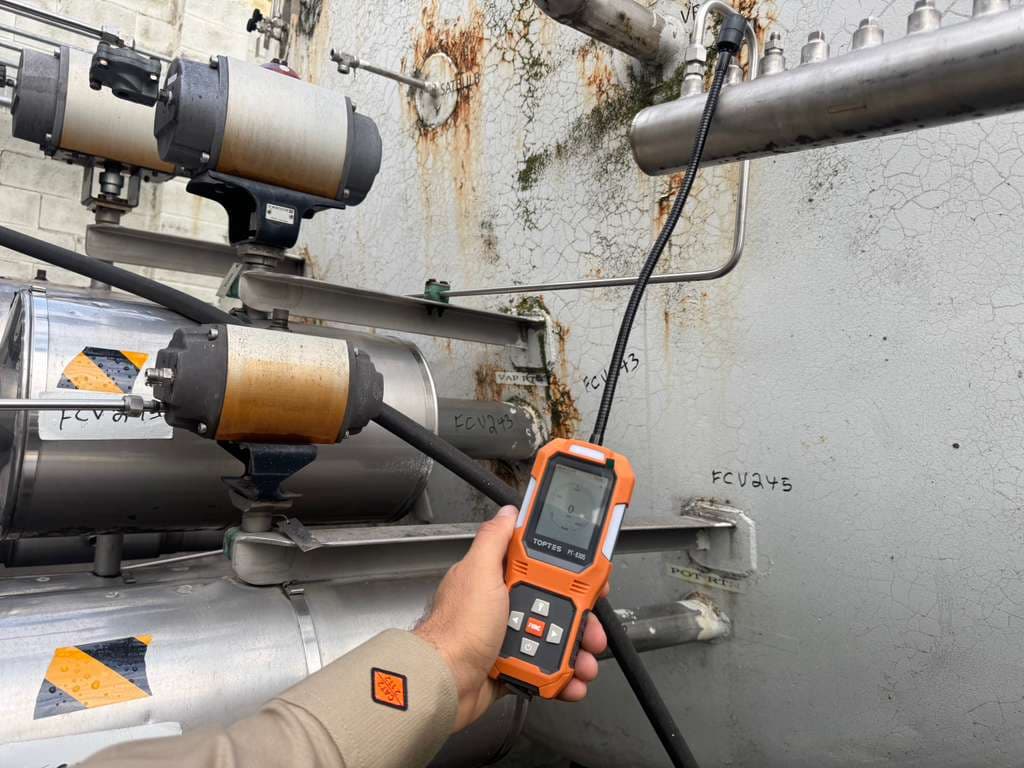
Technician holding a TopTes PT-E100 gas detection instrument near cryogenic tank valves and actuators marked with flow control valve identifiers during atmospheric safety monitoring
Why Choose Us

The CryoTank Difference

01 / 03

End-to-End System Expertise

Not just tank removal; we decommission the entire cryogenic ecosystem: vaporizers, VJP networks, micro-bulk lines, control systems.

Asset Recovery Maximizes Your ROI

ASME U-1 documentation preservation, OEM identification, cold-cutting to protect metallurgical integrity — offsetting decommissioning costs with secondary market value.

Compliance Documentation Package

Complete closure documentation: hazardous waste manifests, atmospheric testing logs, transport permits, EPA site remediation certification signed by a Professional Engineer.

Minimal Operational Disruption

Phased dismantling aligned with plant turnarounds, after-hours heavy lifting to minimize impact on adjacent operations.

Emergency & Rapid Response

Combining specialist cryogenic expertise with rapid-response capability — an unowned competitive combination.

Related

Explore Our Services

Planning a Cryogenic System Shutdown?

From vaporizer isolation to final site remediation — we handle every step. Get your free assessment.